
Immigration News
Alberta's Immigration Discussions: Exploring Provincial Control and Program Reforms
Published:
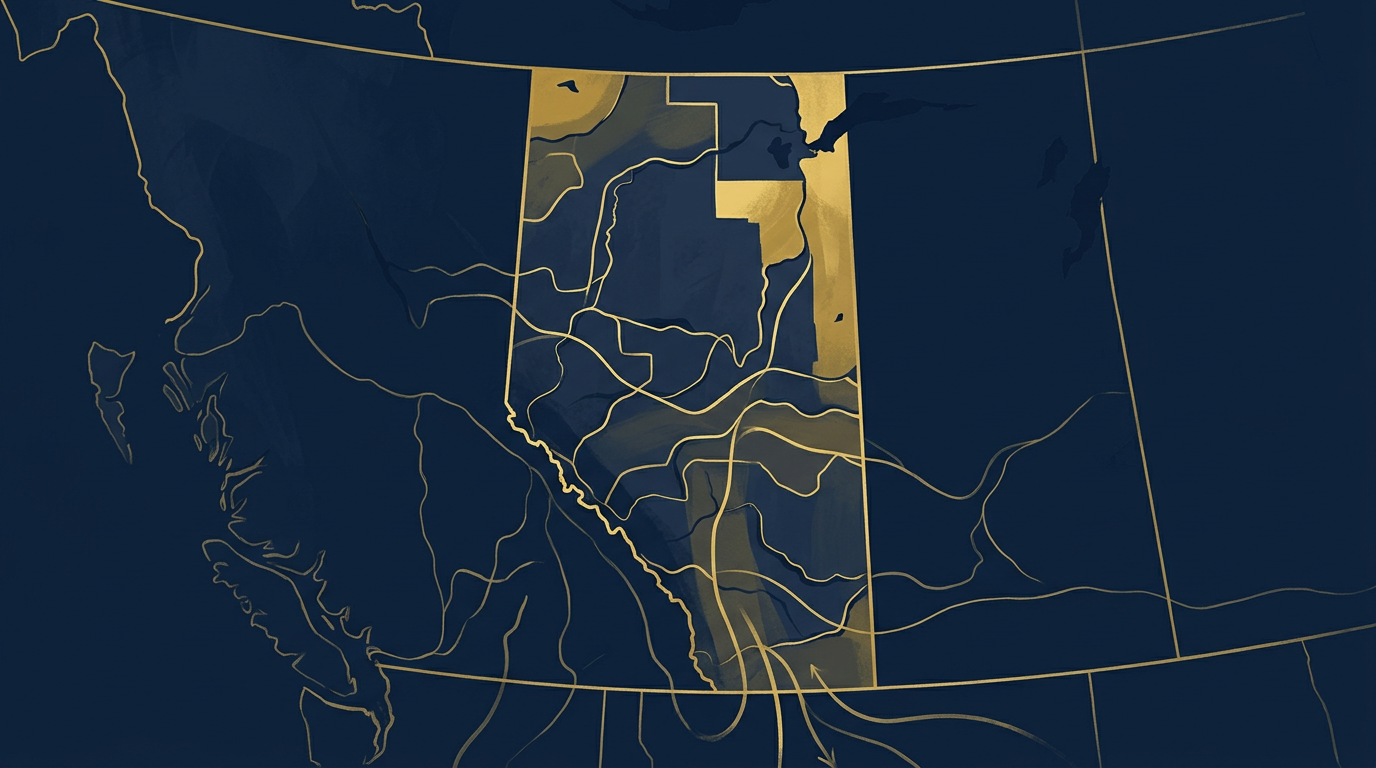
Alberta is slated to hold a referendum that includes questions on provincial immigration control and potential changes to services for non-permanent residents. This development signals a potential shift in how immigration is managed within the province and could impact future newcomers.
Understanding the Referendum's Scope
Recent reports indicate that Alberta residents will participate in a referendum featuring several questions, including those directly related to immigration policy. The core topics revolve around the province's desire for increased autonomy over its immigration programs and the possibility of introducing fees or premiums for non-permanent residents accessing health care and education services.
While the specific phrasing of the questions will be crucial, this initiative highlights a broader provincial interest in tailoring immigration to meet Alberta's unique economic and social needs, and potentially reviewing the financial structures supporting public services for certain residents.
Potential Implications for Newcomers and Residents
Should the referendum lead to legislative changes, the impact on various groups could be significant. For prospective immigrants considering Alberta, any shift towards greater provincial control might result in new or altered provincial nominee programs (PNPs) that are more closely aligned with Alberta's labour market demands and demographic goals. This could mean different eligibility criteria, priority sectors, or even new application processes.
For non-permanent residents already in Alberta, such as international students, temporary foreign workers, or individuals awaiting permanent residency decisions, the discussion around healthcare and education fees is particularly salient. Currently, many non-permanent residents are eligible for public health insurance and their children can attend public schools, often under similar conditions as permanent residents or citizens. Any changes in this area would necessitate a clear understanding of who is affected, how new fees would be implemented, and what support mechanisms might be in place.
Important Considerations and Next Steps
As of the discovery signal date of October 13, 2026, the referendum is scheduled for October 19. It is crucial for individuals affected by these potential changes to monitor official announcements from the Government of Alberta and Immigration, Refugees and Citizenship Canada (IRCC). The outcomes of the referendum are advisory, meaning the provincial government would then need to pursue legislative or policy changes based on the public's vote.
For now, the current federal and provincial immigration programs and policies remain in effect. Applicants should continue to follow existing guidelines and requirements. Any significant changes would typically be announced well in advance to allow for public and stakeholder adjustments.
Kohanbaba's Perspective and Advice
At KOHANBABA Immigration Services, we understand that discussions around policy changes can create uncertainty. Our role is to help you navigate the Canadian immigration landscape, offering clarity and strategic advice. While the referendum's specific impact is yet to be determined, these discussions underscore the dynamic nature of Canadian immigration policy. We always recommend staying informed through official government channels.
We encourage anyone planning to immigrate to Alberta, or those currently residing there on a non-permanent basis, to assess how potential policy shifts might align with their long-term goals. Understanding the various provincial nominee streams and federal programs is essential, as these often evolve in response to provincial needs and directives.
Stay informed about official Canadian immigration policies. You can find general information on provincial nominee programs [here](https://www.canada.ca/en/immigration-refugees-citizenship/corporate/publications-manuals/guide-provincial-territorial-programs.html) and information specific to Alberta's immigration programs [here](https://www.alberta.ca/alberta-advantage-immigration-program). For detailed health coverage information, refer to official provincial health sites or the general guidance on healthcare for temporary residents [here](https://www.canada.ca/en/immigration-refugees-citizenship/services/new-immigrants/prepare-life-canada/services/health-care.html).
If you have questions about your immigration pathway or how potential policy changes could affect you, we invite you to book a consultation with KOHANBABA Immigration Services. Our experienced team is here to provide personalized guidance.
Not yet confirmed
- The exact phrasing of the referendum questions has not been officially confirmed by the Government of Alberta in public communication, only hinted at by discovery signals.
- The specific details of how increased provincial control over immigration would be implemented or which programs would be affected are not yet confirmed.
- The scope, eligibility, and implementation of any potential fees or premiums for non-permanent residents' healthcare and education are unconfirmed.
Sources
- Immigration News Canada—Alberta Referendum Puts 4 Immigration Changes Up For Vote(News-discovery source)
- Immigration, Refugees and Citizenship Canada—Provincial Nominee Program (PNP)(Official source)
- Government of Alberta—Alberta Advantage Immigration Program (AAIP)(Official source)
- Immigration, Refugees and Citizenship Canada—Health care for temporary residents(Official source)
About this article
This original summary and commentary was prepared by Kohanbaba Immigration Services using publicly available information. Immigration News Canada was used as a secondary news-discovery source and is cited below. Official government sources should be consulted for the controlling requirements.
این خلاصه و توضیحات بهصورت مستقل توسط سازمان مهاجرتی کهن بابا و بر اساس اطلاعات عمومی تهیه شده است. Immigration News Canada بهعنوان منبع ثانویه شناسایی خبر استفاده شده و در بخش منابع ذکر شده است. برای اطلاع از شرایط قطعی و لازمالاجرا، منابع رسمی دولتی باید بررسی شوند.
KOHANBABA Immigration Services summarises third-party news for general information only. These summaries are not legal advice. Always confirm current program requirements with official Government of Canada sources.